
A Once-in-a-Career Run: Lessons from the Pennsylvania Nursing Home Explosion
Some incidents are routine. Others define careers.
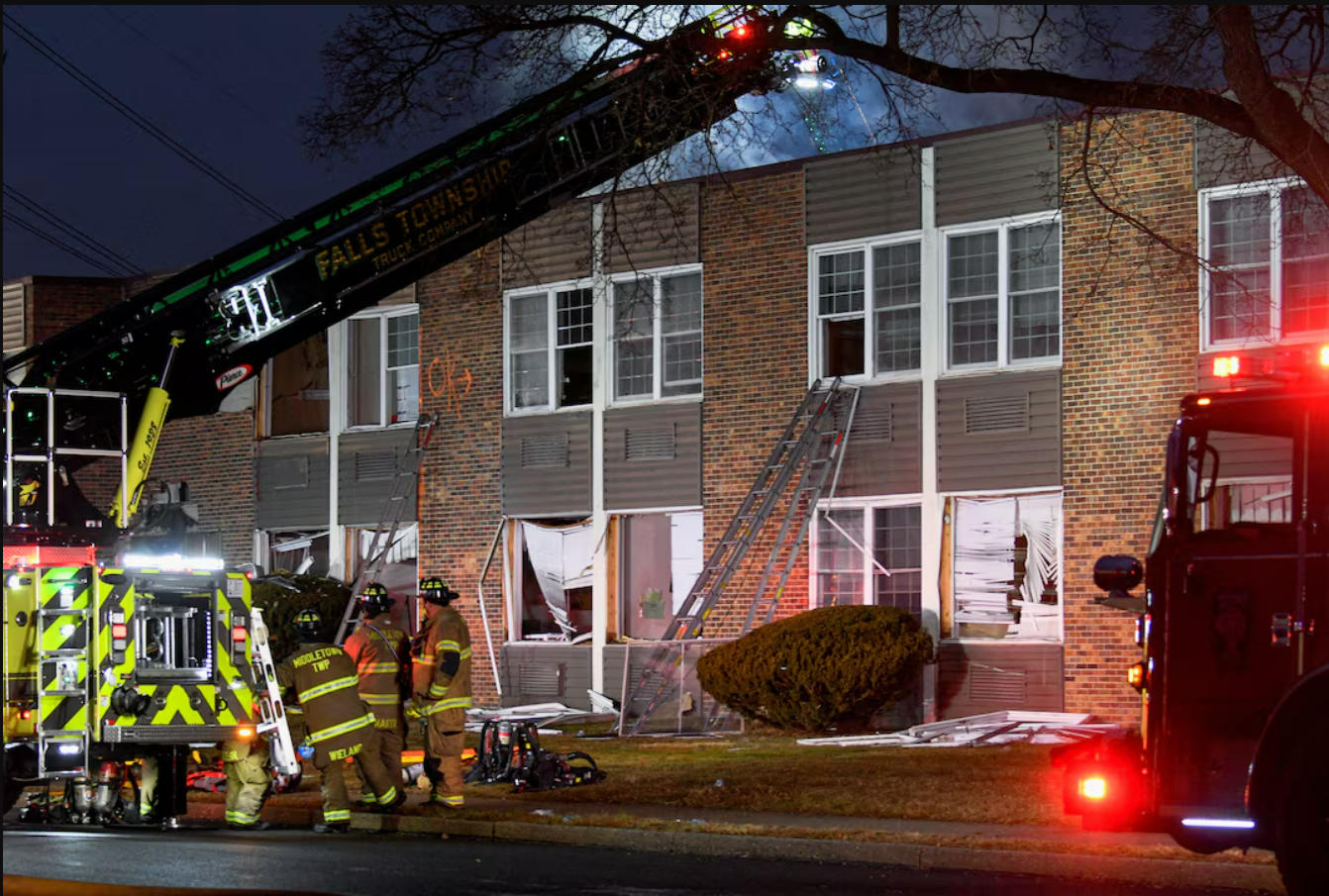
The gas explosion and fire at a Pennsylvania nursing home just outside Philadelphia was the latter — a rare, high-risk event that tested decision-making, discipline, and command under extreme pressure. According to reports, a gas leak triggered multiple explosions, causing a partial structural collapse and trapping residents and staff inside the building. Firefighters arriving on scene encountered heavy fire conditions, pancaked collapse, and an ongoing gas-fed fire — one of the most dangerous environments responders can face.
Chaos on Arrival
Initial crews were met with conditions that rapidly changed by the minute. Victims were trapped in stairwells, elevators, and debris. Firefighters conducted rescues while managing an active gas emergency — knowing that another explosion was possible at any moment. After evacuating visible victims, crews exited the structure. Seconds later, another explosion confirmed what every firefighter on scene already suspected: this building was unstable and unforgiving. This was not a textbook fire. It was a survival-driven operation.
Gas-Fed Fires Change Everything
Gas-fed fires don’t behave like traditional structure fires. Suppression alone doesn’t solve the problem. Until the fuel source is secured — often at the street — fire conditions remain volatile. In this case, command prioritized victim removal, exposure protection, and firefighter safety over aggressive interior suppression. That decision likely prevented additional injuries or fatalities. From the outside, these choices can be misunderstood. From the inside, they are often the only correct option.
Volunteer or Career — The Job Is the Job
Bucks County relies heavily on volunteer staffing, supplemented by career departments. Despite that mix, responders managed accountability, coordinated rescues, and ultimately prevented further loss of life beyond the initial victims. That outcome didn’t happen by accident. It happened because firefighters stayed disciplined, followed command direction, and recognized when conditions exceeded acceptable risk.
The Takeaway
This was a once-in-a-career incident — the kind most firefighters never experience and none forget. The lesson isn’t about tactics alone. It’s about restraint, situational awareness, and knowing when the goal shifts from extinguishment to survival. Sometimes the bravest move is pulling out alive.